
Understanding nausea
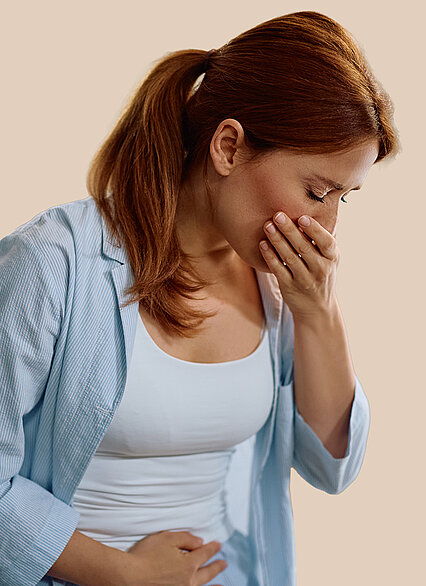
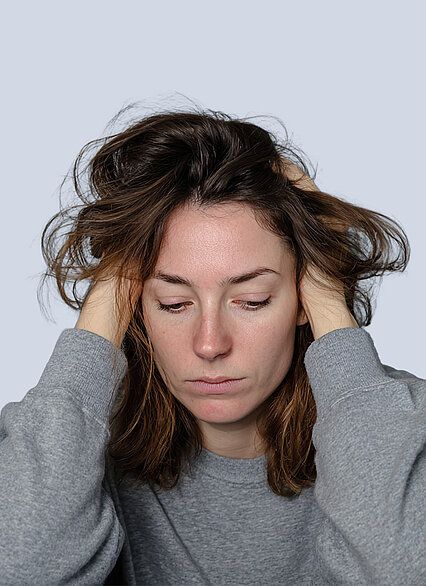
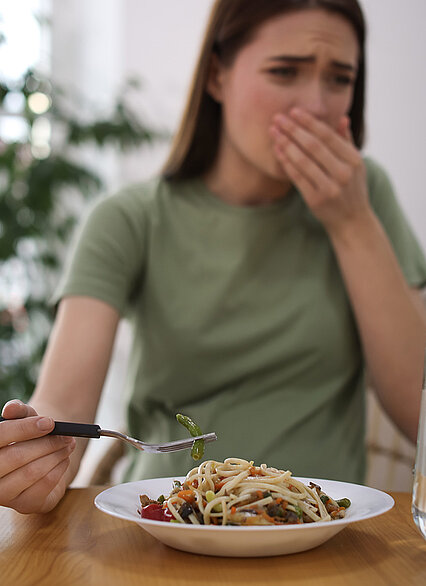
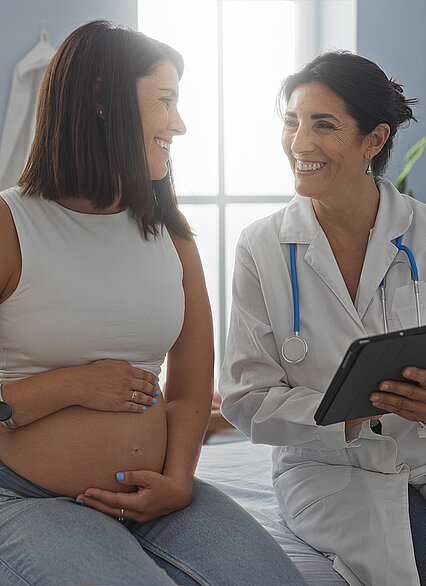
Morning sickness does not harm the baby, provided that the mother's food and fluid intake is not significantly restricted. However, it can have a significant negative impact on the expectant mother.

Morning sickness does not harm the baby, provided that the mother's food and fluid intake is not significantly restricted. However, it can have a significant negative impact on the expectant mother.