
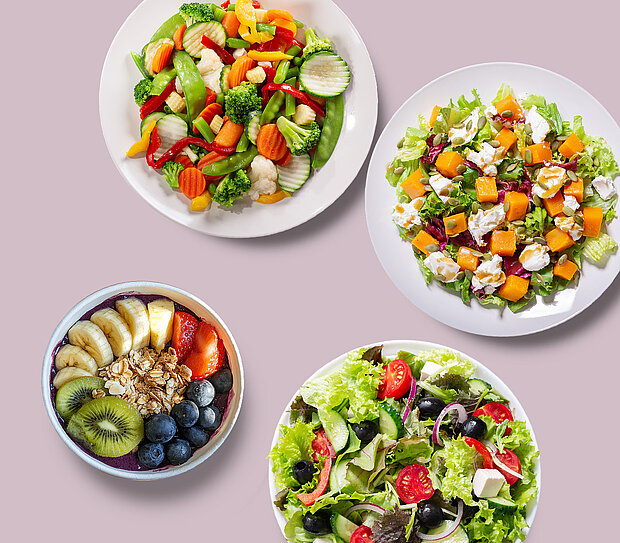
Light diet
The best light diet for nausea during pregnancy
Mild, easily digestible foods are often considered to be well tolerated. These include rusks, toast, rice, boiled potatoes, and bananas. Small portions spread evenly throughout the day can be easier on the stomach than a few large meals. Cold or lukewarm foods are sometimes better tolerated than hot foods.
Triggers
Avoiding triggers
Certain foods or smells can make symptoms worse. Greasy, spicy, very sweet, or acidic foods are often mentioned. Intense kitchen smells or long breaks between meals can also play a role. It is helpful to observe individually what agrees with you and what tends to cause discomfort.
Dietary supplements
Vitamins & magnesium for nausea
Vitamins and minerals are important during pregnancy, but they are not always well tolerated. Dietary supplements in particular can exacerbate symptoms in those with sensitive stomachs. Some pregnant women find it helpful to take supplements with meals or to switch to a different form. Individual consultation is recommended.
Interviews
What do the experts say?
Experts emphasize that during periods of severe discomfort, the focus should initially be on tolerability. Short-term deviations from an "ideal" diet are usually considered unproblematic. It is crucial to drink plenty of fluids and ensure a sufficient supply of important nutrients in the long term. In case of persistent problems or uncertainty, they recommend consulting a doctor or midwife in order to identify deficiencies early on and compensate for them in a targeted manner.

This article has been written in accordance with scientific standards and has been thoroughly checked for accuracy by ITF Pharma GmbH.
Published on 26.02.2026